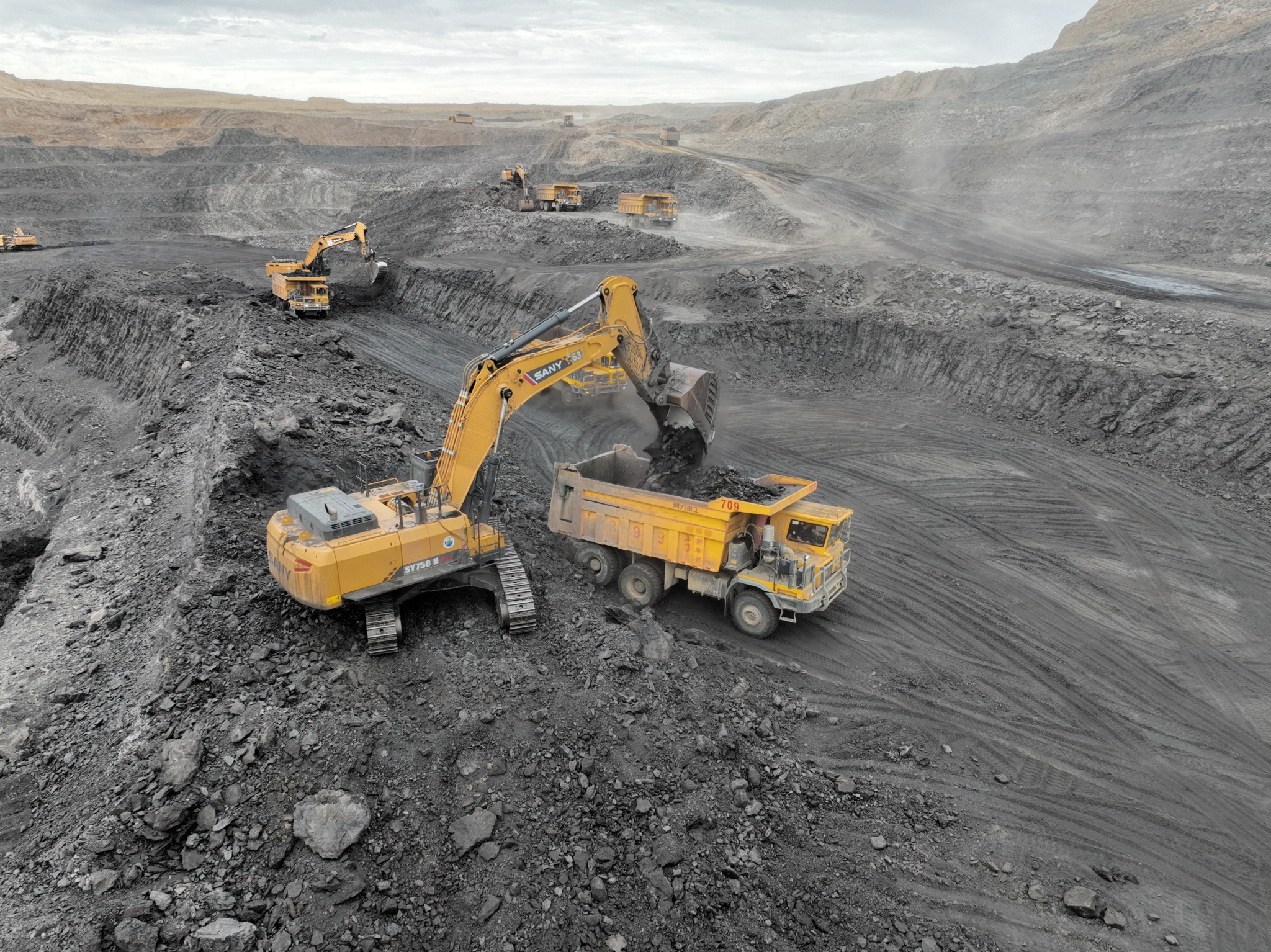
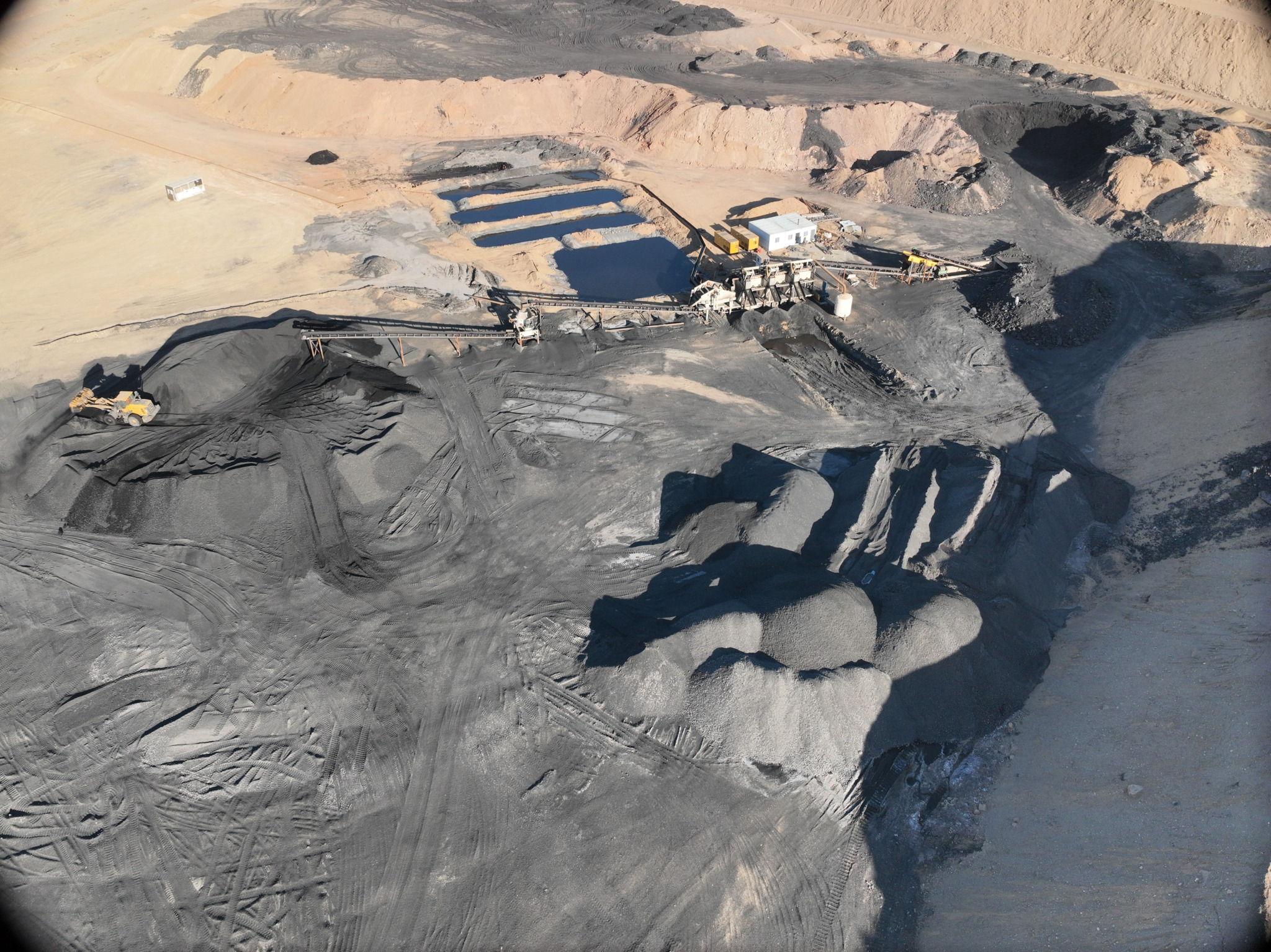
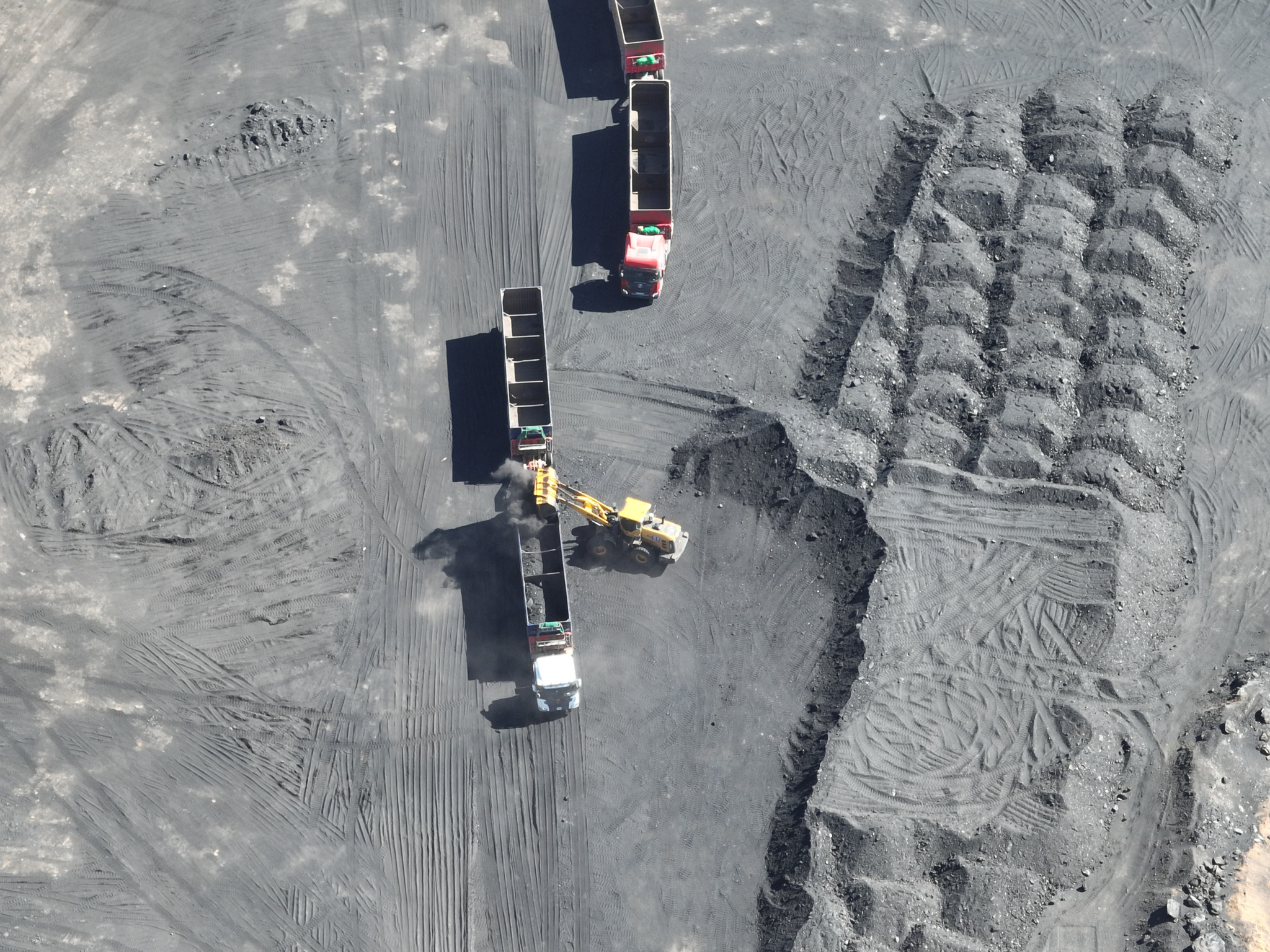
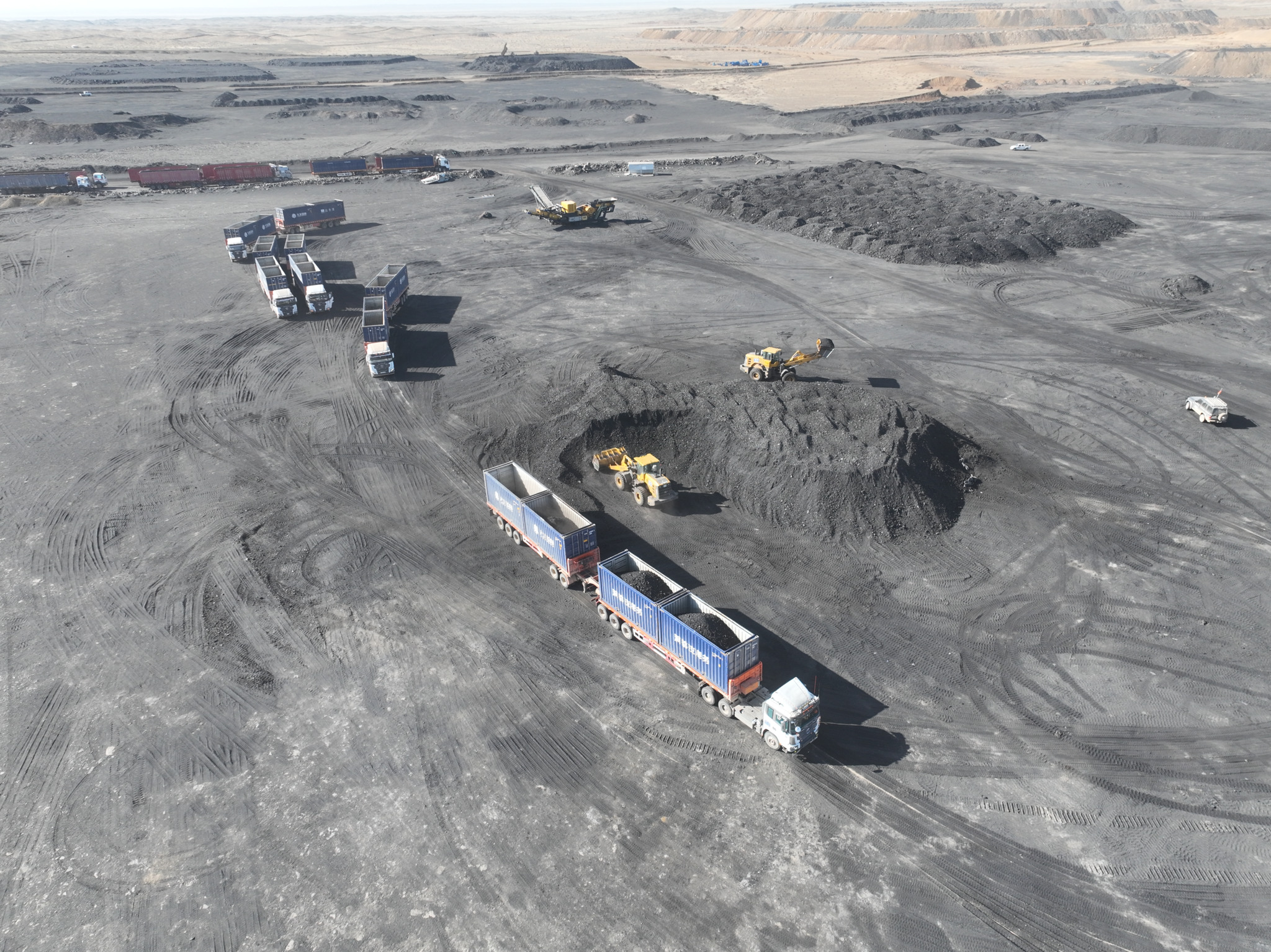
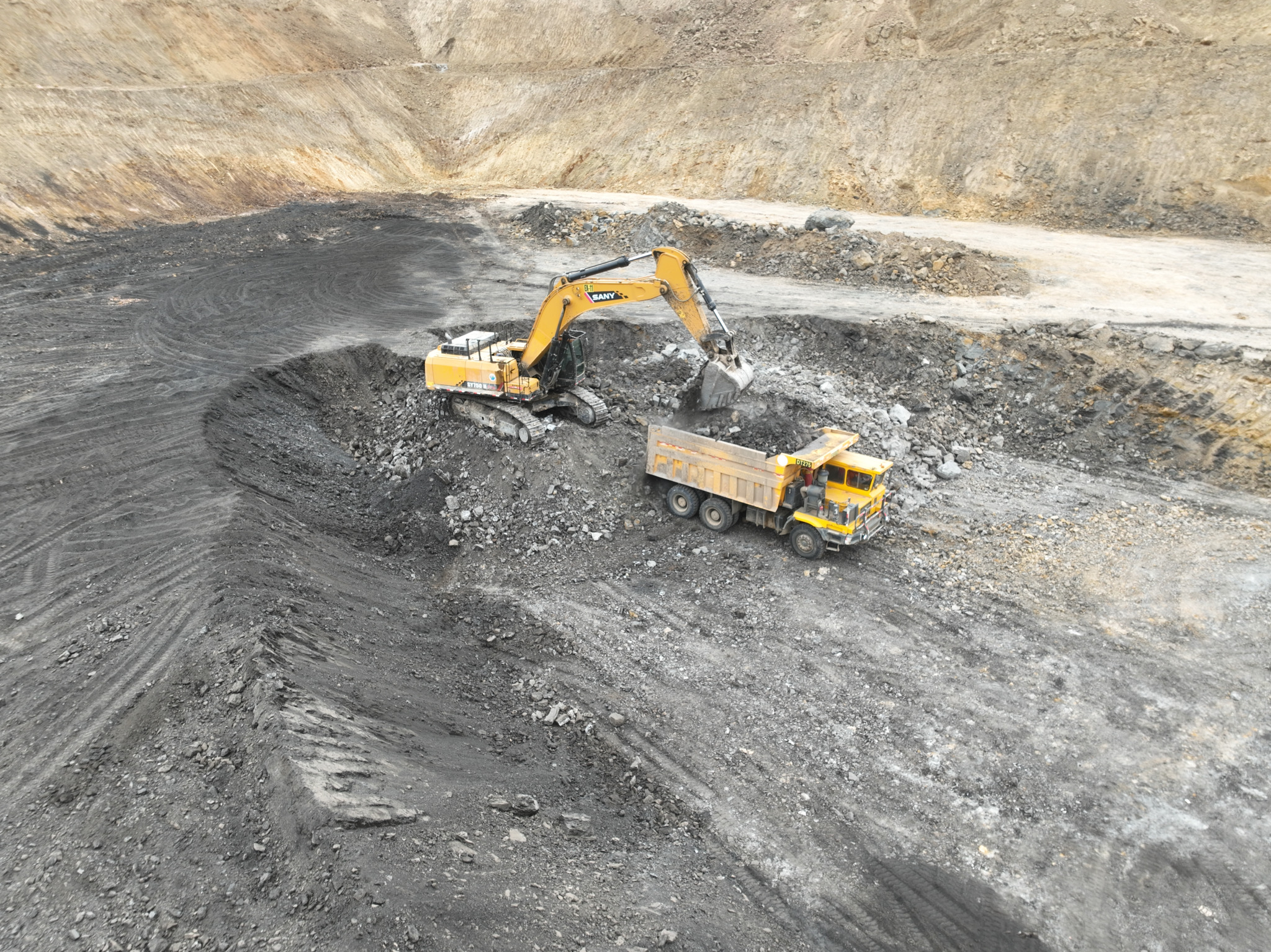
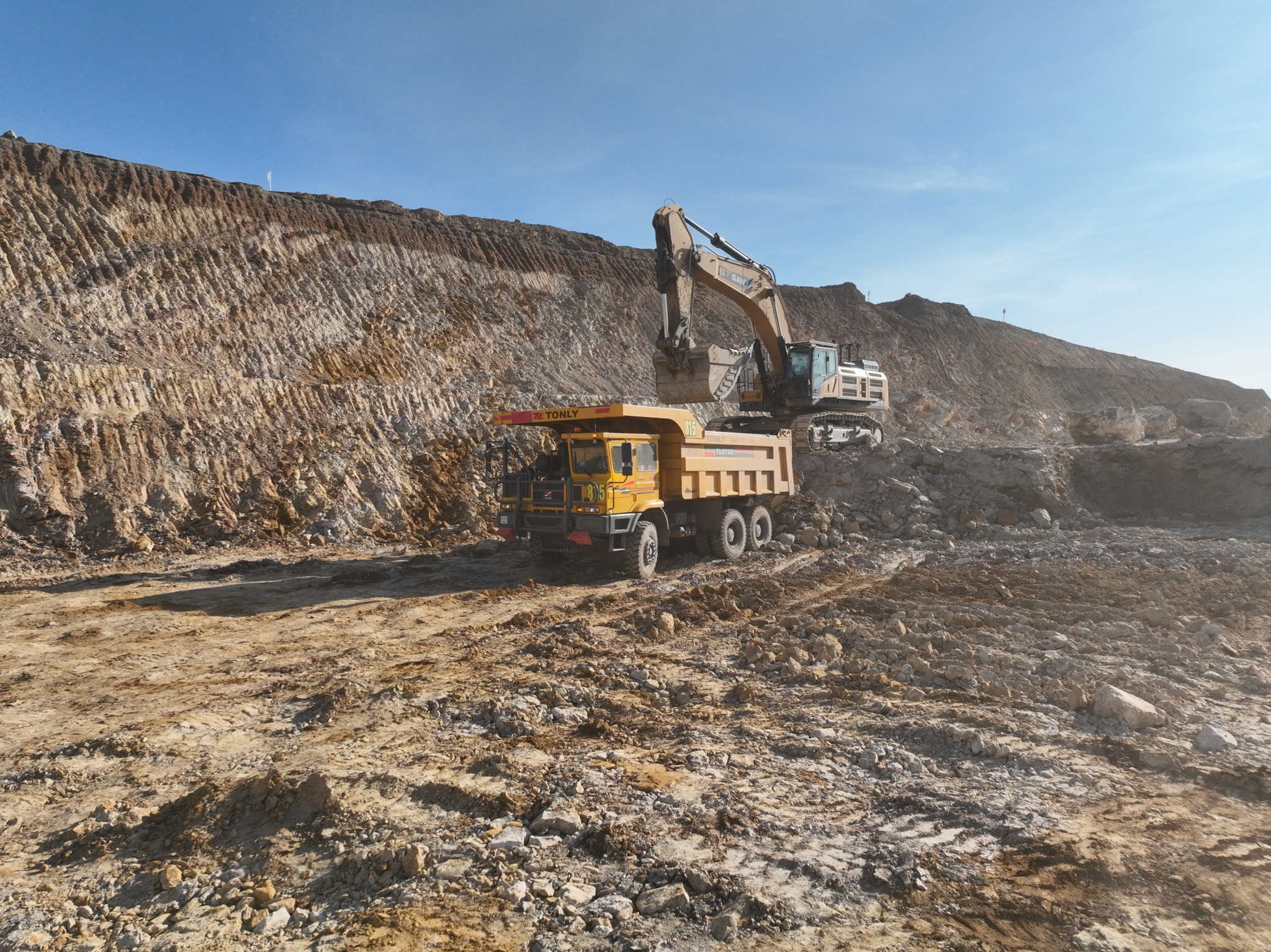
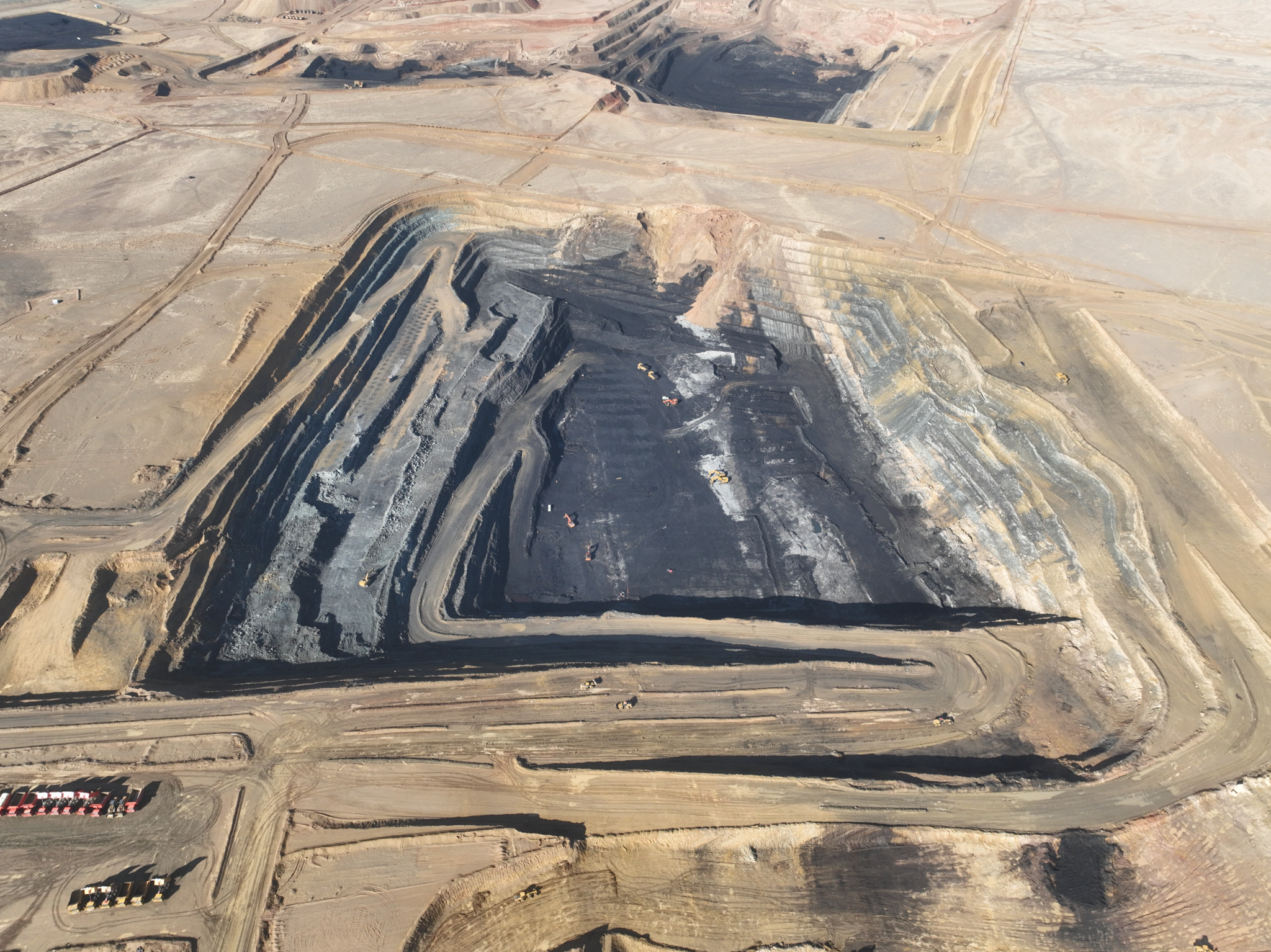
The coal mine, located 30 km southwest of Mandakh Soum center, has been continuously conducting overburden removal since 2022, and extraction and export operations since 2023.
Location: Dornogovi Province, Mandakh Soum — 30 km southwest of the soum center · Strategically positioned with connectivity to regional railway infrastructure
The mine operates on a 14/14 rotation schedule with day and night shifts continuously, staffed by 463 qualified professionals.
The Company places special emphasis on employee safety and occupational health policies.
Open-pit mining operations are carried out continuously in accordance with the company's medium and long-term plans and the annually approved mine work schedule.
Coal is transported from the mining area via a dedicated road to the "Tumen Ail Coal" customs control zone, then exported 100% by railway.
Coal quality is regularly tested in an on-site laboratory, ensuring that exported products meet buyer specifications.
An environmental management plan is approved annually by the relevant state authority, and negative environmental impacts are continuously reduced in accordance with applicable law.